Join Us
Login
What is Chloroacetyl chloride used for?
Chloroacetyl chloride, also known by its IUPAC name 2-chloroacetyl chloride, is a chemical compound with the molecular formula C2H2Cl2O. It is a colorless to pale yellow liquid with a pungent odor and is highly reactive due to the presence of both a chloro and an acetyl chloride functional group.
By Hou
WHAT IS SURFACTANT AND WHEN TO USE IT?
Surfactants are typically used in combination with most liquid herbicides to help the solution adhere to the leaves or foliage of the weed so that the chemical can effectively penetrate the plant system. When to use it? Surfactant Suppliers share with you
By CC
Unleashing the Power of Industrial Gas: Fueling Efficiency and Innovation
In the modern industrial landscape, the utilization of industrial gases has become nothing short of revolutionary. These gases play a pivotal role in driving efficiency, innovation, and sustainability across a multitude of industries. From manufacturing and healthcare to food and electronics, industrial gases have proven to be indispensable companions, propelling various processes to new heights.
By May
Sulfonated Melamine Superplasticizer: Empowering Concrete with Strength and Flexibility
Sulfonated Melamine Superplasticizer is a high-performance chemical additive that revolutionizes the properties of concrete. It belongs to a class of superplasticizers known for their ability to significantly enhance the workability, flow, and strength of concrete mixes.
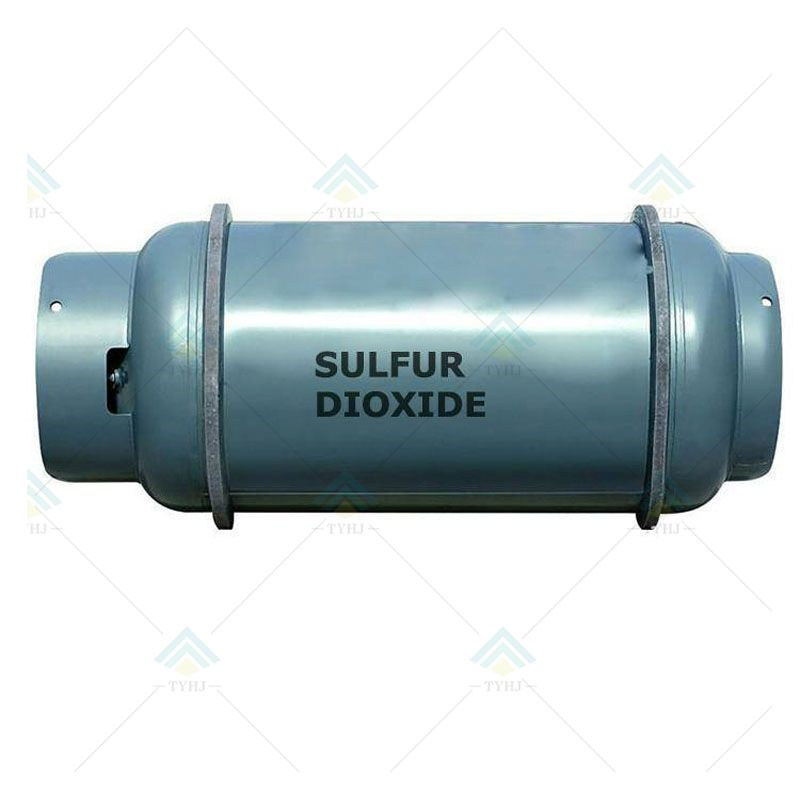
Unveiling the Impact and Solutions for Sulfur Dioxide Pollution
Sulfur dioxide is a noxious gas with the chemical formula SO2, resulting from both natural processes and human activities. It is notorious for its pungent odor and adverse effects on the environment and public health. While naturally occurring sources like volcanic eruptions contribute to SO2 emissions
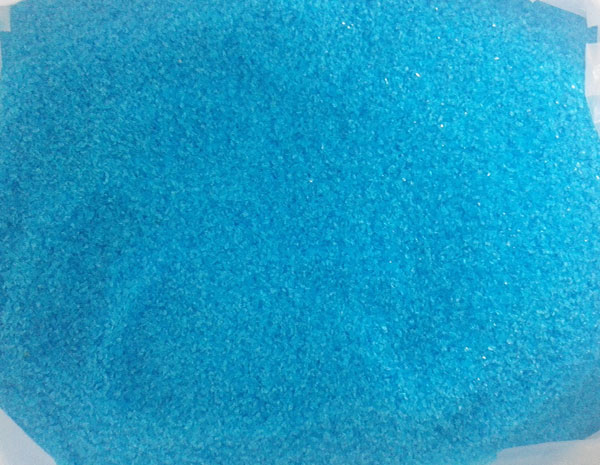
What is copper sulfate mainly used for?
Copper sulfate, a chemical compound with a rich history dating back centuries, has found its way into various industries and applications due to its unique properties and versatile nature. From agriculture to science, this compound has proven its worth in a multitude of ways.
Benefits and Applications of Hydroxy Ethyl Cellulose (HEC)
Hydroxy Ethyl Cellulose, commonly abbreviated as HEC, is a non-ionic, water-soluble polymer derived from cellulose. Cellulose, found in the cell walls of plants, is a naturally occurring polysaccharide. Through a chemical modification process, ethylene oxide is introduced to cellulose, resulting in the formation of HEC.
Which grade of HPMC is best?
The "best" grade of Hydroxypropyl Methylcellulose (HPMC) depends on the specific requirements of the application and the desired properties needed for the formulation. HPMC is available in various grades, each with different molecular weights and viscosity levels, making them suitable for different purposes.
What is the use of sulfonyl chloride?
Sulfonyl chloride, also known as sulfonamide chloride, is a chemical compound with the functional group -SO2Cl. It is a versatile reagent used in various chemical reactions and serves as a crucial intermediate in the synthesis of numerous organic compounds.
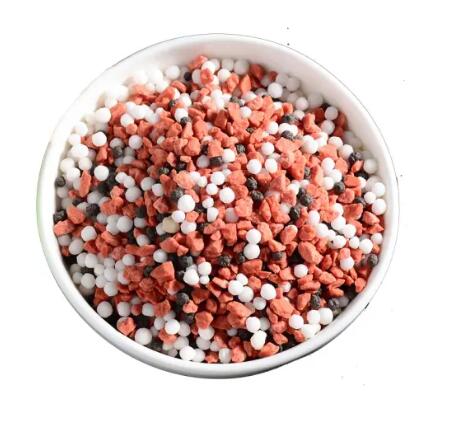
What is the process of blending NPK fertilizer?
NPK fertilizer, also known as compound fertilizer, is a blend of three primary nutrients: nitrogen (N), phosphorus (P), and potassium (K). The process of blending NPK fertilizer involves combining these essential elements in specific ratios to create formulations that cater to different plant nutrient requirements.
By July
Guest Posts
If you are interested in sending in a Guest Blogger Submission,welcome to write for us!
Your Name: (required)
Your Email: (required)
Subject:
Your Message: (required)
Thank you for your message.